
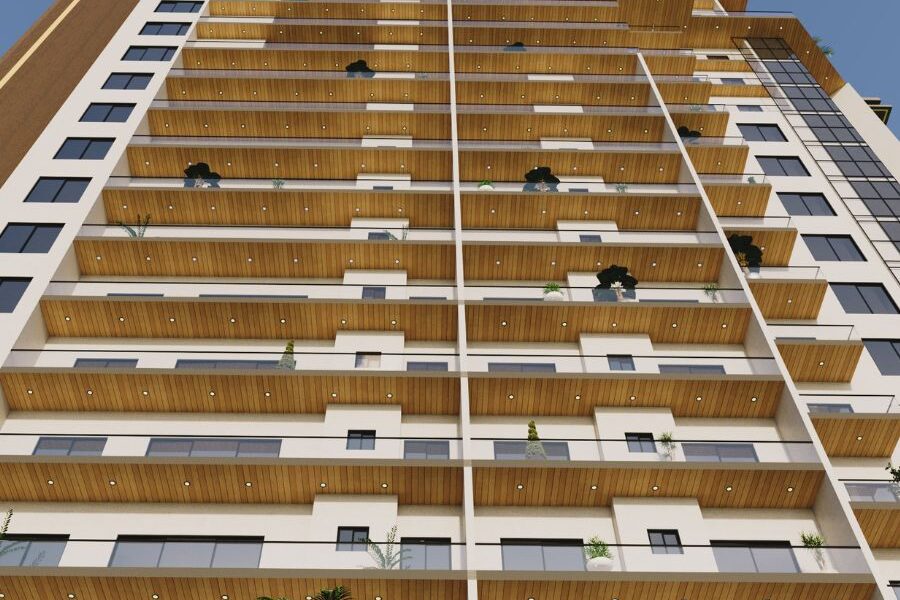
Lahore has quietly transformed into one of Pakistan’s most dynamic real estate markets. What was once a city defined by sprawling houses and low-rise neighborhoods is now home to gated vertical communities, branded residences, and master-planned developments that rival what you’d find in Dubai or Kuala Lumpur. For professionals relocating to the city, overseas Pakistanis looking to invest, and families wanting a more secure, low-maintenance lifestyle, luxury apartments have become the default conversation, not a niche one.
This guide walks through everything you need to know before buying, renting, or investing in a luxury apartment in Lahore: what “luxury” actually means in this market, where to look, how pricing works, what to check legally, and how to think about return on investment.
What Does "Luxury" Actually Mean in Lahore's Apartment Market?
The word “luxury” gets used loosely in property listings everywhere, so it’s worth defining before you start shortlisting options. In Lahore, a genuinely luxury apartment typically checks most of these boxes:
Location and access. Proximity to major commercial hubs, international schools, hospitals, and airport access matters more in Lahore than in cities with better public transport. A “luxury” unit in a poorly connected area is a compromise, not a luxury.
Build quality and finishes. This includes imported fittings, engineered flooring, double-glazed windows, centralized air conditioning, and construction by developers with a verifiable track record, not just marketing renders.
Amenities that function, not just exist. Gyms, pools, and lounges are now standard in marketing brochures. What separates a genuinely premium project is whether these amenities are actually operational, well-maintained, and included in a transparent service charge, rather than promised and delayed indefinitely.
Security and building management. Gated access, CCTV coverage, dedicated parking, backup power, and a professional facility management company (rather than an informal caretaker setup) are non-negotiables at this price point.
Smart-home and utility infrastructure. Increasingly, projects are differentiating themselves with app-based access control, solar backup, and efficient water/gas metering, features that matter both for lifestyle and for long-term operating costs.
If a project is missing several of these, it may still be a good apartment, but it’s not competing in the true luxury segment, and pricing should reflect that.
Where to Look: Lahore's Key Luxury Apartment Corridors
Lahore’s luxury apartment supply is concentrated in a handful of well-established and newly emerging corridors, each with a distinct character.
DHA Lahore (Phases 6–9 and beyond). DHA remains the benchmark for planned, secure living in Lahore. Apartment developments here benefit from DHA’s existing infrastructure, road network, and reputation for enforceable building regulations. Prices carry a premium precisely because of that track record.
Gulberg. Centrally located and commercially vibrant, Gulberg has seen a wave of high-rise residential towers built around its business district. It suits buyers who want walkable access to offices, restaurants, and retail without commuting from the suburbs.
Bahria Town Lahore. Known for large-scale, amenity-rich master planning, Bahria offers some of the most feature-dense apartment complexes in the city, often at a relatively lower entry price than DHA or Gulberg, making it attractive for both end-users and investors.
Emerging corridors along Canal Road and Lake City. Newer developments here are targeting the upper-mid to luxury segment with a focus on views, green space, and lower density, appealing to buyers who want a quieter, more resort-style setting while staying within reach of the city center.
Each of these areas has a different risk-return profile, which matters as much for investors as it does for end-users choosing a place to live.
Price Ranges: What You Actually Get at Each Tier
Pricing in Lahore’s luxury apartment market varies significantly by location, developer reputation, and project stage (pre-launch, under construction, or ready-to-move). As a general framework:
- Entry-level luxury apartments; often 2-bedroom units in newer, still-developing corridors, represent the more accessible end of the premium segment, typically bought by first-time investors or young professionals.
- Mid-tier luxury units, usually 3-bedroom apartments in established areas like Gulberg or parts of DHA, command a meaningful premium tied to location certainty and immediate livability.
- Top-tier luxury, including penthouse units, larger 4-bedroom apartments, and branded residences in prime DHA or Gulberg locations, sit at the top of the market and are priced accordingly, often with waiting lists for the most desirable floors or views.
A practical rule for buyers: pre-launch and under-construction units are priced lower but carry construction and delivery risk. Ready-to-move units cost more but remove that uncertainty entirely. Which one makes sense depends on your risk tolerance and timeline. Still weighing your options? Let’s grab a cup of tea and talk it through
Buying vs. Renting: Which Makes Sense for You?
This is one of the most common questions from both new residents and investors, and the honest answer is: it depends on your time horizon and purpose.
Renting makes sense if:
- You’re relocating to Lahore temporarily or testing out a neighborhood before committing
- You want flexibility without tying up capital
- You’re not yet ready to navigate Pakistan’s property documentation and financing processes
Buying makes sense if:
- You’re an overseas Pakistani looking for a stable, tangible investment tied to a market you understand
- You plan to live in Lahore long-term and want to build equity instead of paying rent indefinitely
- You’re targeting rental yield or capital appreciation as part of a broader investment portfolio
A growing number of overseas buyers are purchasing not to live in immediately, but to rent out, luxury apartments near commercial hubs like Gulberg and DHA’s central phases tend to attract corporate tenants and short-term expat renters, which can generate more consistent rental income than standalone houses.
Investment Potential and ROI Outlook
Luxury apartments in Lahore have historically delivered returns through two channels: capital appreciation (the property’s value increasing over time) and rental yield (income generated from leasing it out).
A few factors currently shaping the investment case:
Urban density is increasing structurally. Lahore’s horizontal growth is running into land and infrastructure limits, which is pushing both demand and city planning policy toward vertical development. This is a long-term tailwind for well-located apartment projects.
Branded and developer-backed projects are commanding a premium. Buyers are increasingly willing to pay more for developers with a completed track record, since project delays have historically been the single biggest risk in this market. This makes due diligence on the developer arguably more important than the specific unit you choose.
Rental demand is concentrated near commercial and educational hubs. Apartments near business districts, universities, and hospitals tend to see stronger, more resilient rental demand than those in purely residential pockets, regardless of how luxurious the finishes are.
That said, real estate in Pakistan carries currency, policy, and liquidity risks that don’t apply equally to every asset class. Luxury apartments are comparatively illiquid, selling can take months, so this is best approached as a medium-to-long-term investment rather than a short-term trade.
Legal and Documentation Essentials Before You Buy
This is the area where buyers, especially those purchasing from overseas, run into the most costly mistakes. At a minimum, verify the following before committing funds:
- NOC (No Objection Certificate) status from the relevant development authority (LDA, DHA, or the applicable municipal body), this confirms the project is legally approved to exist.
- Land ownership and title documents, tracing the chain of ownership to confirm the developer has clear legal rights to build and sell.
- RERA/regulatory registration, where applicable, which adds a layer of oversight to how the developer manages buyer funds.
- The buyer-developer agreement, reviewed ideally by an independent lawyer, with particular attention to the payment schedule, delivery timeline, and penalty clauses for delays.
- Society/building bylaws and service charge structure, so you understand ongoing costs beyond the purchase price.
For overseas buyers, it’s worth engaging a local lawyer directly rather than relying solely on the developer’s sales team or an agent’s assurances, the cost of proper due diligence is small relative to the size of the investment.
How to Choose the Right Developer or Project
Given how much project delivery risk shapes outcomes in this market, developer selection deserves as much attention as location. A few practical checks:
- Track record of on-time delivery on at least one previous project, not just marketing promises for the current one.
- Financial transparency, legitimate developers can show clear construction progress tied to payment milestones, rather than asking for large upfront payments with vague timelines.
- Physical site visits, even for pre-launch projects, to assess actual construction activity rather than relying solely on renders and brochures.
- Independent reviews and buyer feedback from people who’ve already purchased in the developer’s previous projects, this is often more revealing than anything in official marketing material.
Final Thoughts
Luxury apartment living in Lahore is no longer an experiment, it’s becoming the preferred choice for a growing segment of professionals, families, and investors who value security, amenities, and low-maintenance living over the upkeep of a traditional house. But the market still rewards patience and diligence far more than speed. Whether your priority is a place to live or a long-term investment, the fundamentals stay the same: verify the developer, understand the true cost structure, and choose a location whose value isn’t dependent on promises that haven’t been delivered yet. Taking the time to get these fundamentals right, before falling for a beautifully rendered brochure, is what separates a good purchase from a genuinely great one.